



Índice
Recovering after a poor tee shot in golf is a skill just as important as the drive itself. A bad tee shot does not define the round, but it does test your ability to stay calm and make smart decisions. Learning how to manage that first mistake, without rushing or attempting heroic shots, is key to limiting damage and rebuilding the hole intelligently.
At Golf Alcanada, where the course encourages thoughtful play, these techniques make the difference between a difficult hole and a well-managed one.
Accept the mistake and stop impulsive reactions
The first step after a poor tee shot is mental.
- Accept the mistake without frustration.
- Avoid trying to “fix everything” with the next shot.
- Change the objective: recover position, not distance.
Forcing a quick solution usually makes the situation worse.
Evaluate the lie before thinking about the shot
Not all poor tee shots are the same.
- Check whether the ball is sitting cleanly, partially buried or in thick rough.
- Observe the slope of the ground and possible obstacles.
- Choose the shot based on achievable control, not on what you wish to do.
A proper assessment avoids unnecessary risks.
Prioritise getting back to the fairway, not attacking the flag
After a poor tee shot, the goal is usually simple: return to a comfortable position.
- Choose the safest line back to the fairway or an open area.
- Avoid direct lines to the green if the margin is minimal.
- Accept playing a “three-shot hole” if that is the smartest option.
Recovering position means regaining control.
Choose the club for control, not distance
In difficult situations, long clubs are rarely the best choice.
- Mid-irons or hybrids provide greater accuracy.
- Shorten your swing.
- Prioritise clean, predictable contact.
Fewer metres well executed are better than many poorly played ones.
Use the low shot as an ally
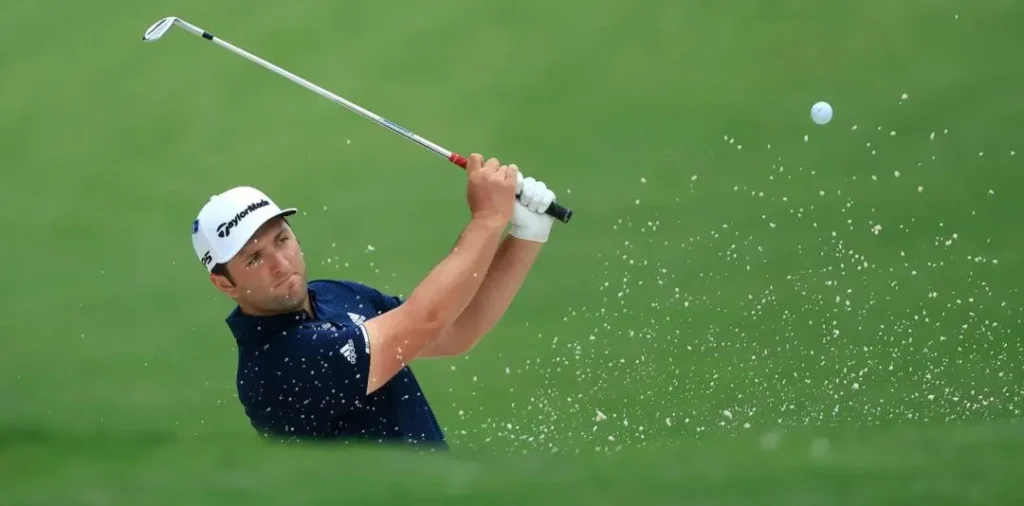
The low shot is a key recovery tool.
- It reduces the effect of the wind.
- It limits unpredictable bounces.
- It increases the chances of clean contact.
On firm courses like Alcanada, this option is especially effective
Manage the hole, not the entire round
A poor tee shot affects one hole, not the whole round.
- Focus only on the next shot.
- Avoid thinking about the final score.
- Build the hole step by step.
Recovery is also a mental process.
Use the short game to save the hole
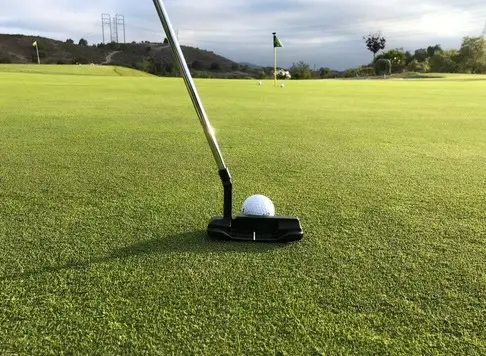
Many recoveries are completed around the green.
- A good approach shot can compensate for a poor tee shot.
- Prioritise leaving yourself a comfortable putt.
- Accept a bogey if it is the best option.
A strong short game turns mistakes into manageable results.
FAQs – Recovery after a poor tee shot in golf
Does a poor tee shot automatically ruin the hole?
No. It makes the hole more difficult, but smart recovery can still save the score or limit damage.
Is it better to take risks or play safe after a poor tee shot?
In most cases, playing safe is the smarter option. Getting back to the fairway usually offers better chances.
Which club is best for recovery shots?
Mid-irons or hybrids, as they provide more control and consistency.
When should you play a low shot?
When there is wind, tree trouble, firm ground or limited space.
Is accepting a bogey a good strategy?
Yes. Accepting bogey often prevents bigger mistakes and protects the overall score.
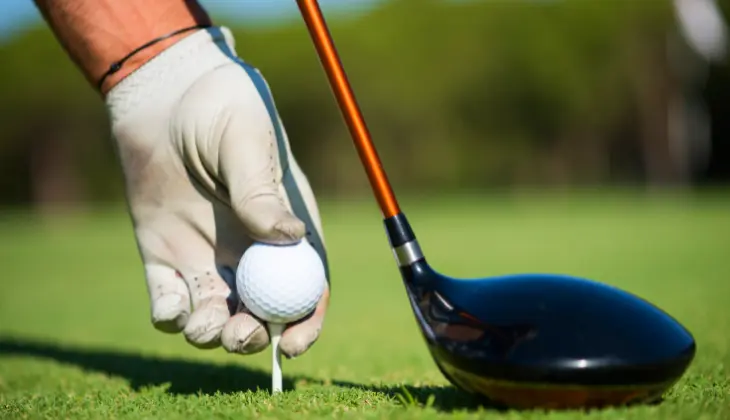
At Golf Alcanada, every hole offers alternatives for players who know how to read the course and recover intelligently. Understanding when to take risks and when to rebuild the hole is part of real golf learning. Our PGA professionals and practice areas help you train these situations so a poor tee shot does not define your round.
Book your next training session on our website and discover how to master recovery after a poor tee shot in golf with calm, clarity and strategy.
A quick look at the golf apps amateurs rely on most and what makes them effective on the course and for getting better
A practical look at how a golf smartwatch helps with distances, stats and pace, and where it falls short compared with a laser on windy, strategic layouts.
At Golf Alcanada, the game transcends sport as the horizon shifts from trees to the endless blue of the Mediterranean.
More than just a course, Golf Alcanada is a model of environmental management protecting biodiversity and the landscape.
Learn to play golf in an idyllic setting with our exclusive guide for beginners at Club de Golf Alcanada, Mallorca
A practical guide to mitigating loss of control and ball flight variability when playing with irons on wet grass.
