





Índice
Knowing how to assess green speed without testing it is one of those skills that separates a reactive putt from a smart one. Reaching the green and putting without clear references often leads to putts left short or hit long due to lack of information. Learning to read the green before the first stroke, by observing the surroundings, the grass and overall feel, allows you to adjust pace and line from the start.
At Golf Alcanada, where greens invite you to think before striking, this early reading makes the difference.
Observe the surroundings before stepping onto the green
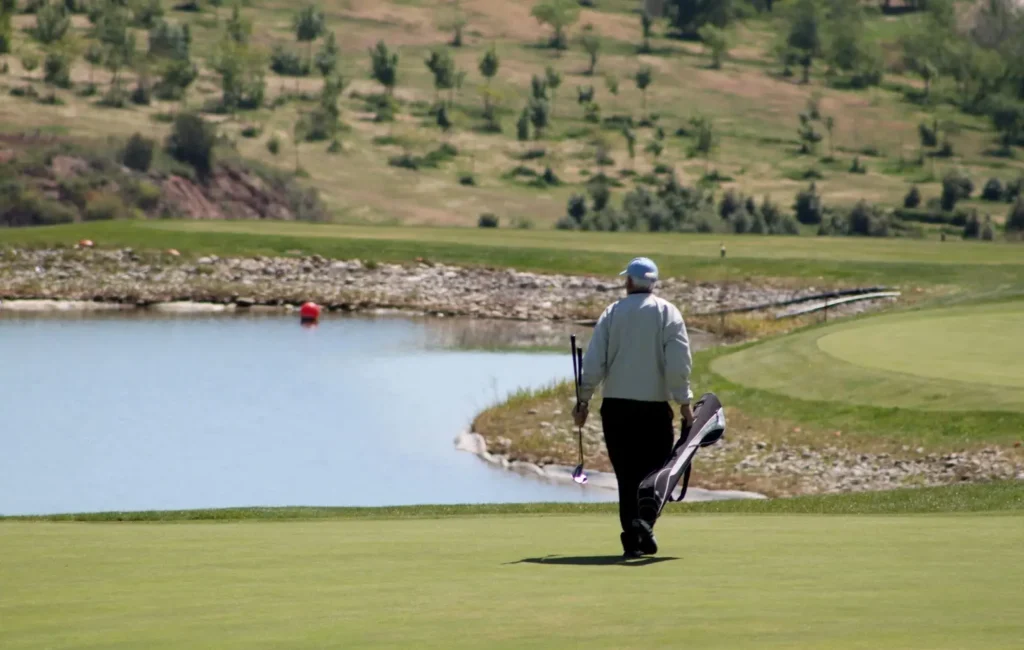
Green speed doesn’t start on the green. It starts much earlier.
- Look at the light: early in the day there is usually more moisture; later in the day greens tend to be faster.
- Notice the shine of the grass: a shiny green usually rolls faster; a dull one slows the ball.
- Pay attention to the wind: even a light breeze can speed up or slow down the ball.
Analyse the grass type and mowing
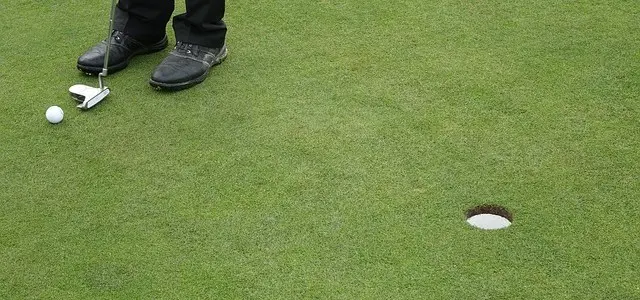
Without touching the ball, the grass tells a story.
- Footprints: if they mark deeply, the green is probably slower.
- Recent, even mowing: usually indicates a faster green.
- Longer grass or visible mowing lines: tends to slow the ball.
Watch other players’ putts
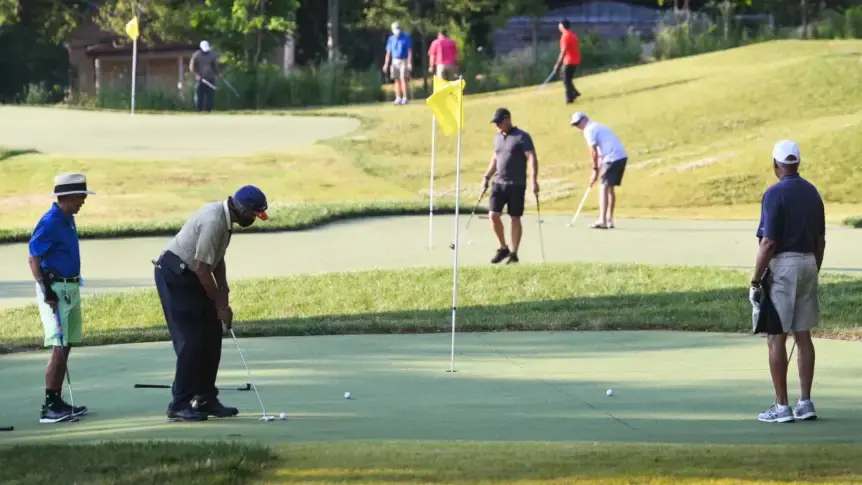
One of the most reliable resources is careful observation.
- How far long putts roll past the hole.
- How the ball reacts on gentle downhill lines.
- Whether players consistently leave putts short or long.
It’s not about copying the line, it’s about understanding the true pace the green is asking for.
Read the green by walking it, not just looking
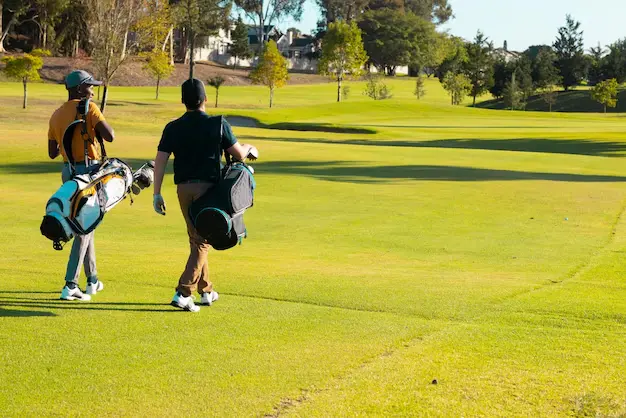
Walking the green provides information your eyes alone may miss.
- Feel the firmness under your feet: firmer usually means faster.
- Detect subtle slopes that speed the ball up without looking obvious.
- Notice if the green “pushes” downhill even in areas that appear flat.
On courses like Alcanada, walking the green is part of the read.
Use uphill putts as your base reference
Even without testing the green, you can establish a starting point.
- On uphill putts, the ball always needs more force.
- If you’re unsure, adjust from there: if uphill putts already feel quick, the green is fast.
- Downhill putts are then read using that initial reference.
Adjust expectations on the first hole

The first green isn’t for perfect calibration, it’s for gathering information.
- Don’t force the result.
- Prioritise leaving an easy second putt.
- Adjust pace on the next green based on what you’ve learned.
Good putters don’t always hole the first one; they learn quickly.
Assessing green speed without testing
- Can you read green speed without hitting a practice putt?
Yes. By observing the surroundings, grass condition, moisture, light and how other balls roll, you can get a very reliable reference.
- Can you read green speed without hitting a practice putt?
Yes. By observing the surroundings, grass condition, moisture, light and how other balls roll, you can get a very reliable reference.
- Does the time of day affect green speed?
Very much so. Early in the day, moisture tends to slow greens. As the day progresses, they usually become faster.
- Should the first putt be aggressive or conservative?
It’s smarter to use it to gather information. Focus on leaving an easy second putt and adjust from there.
- Does walking the green help assess speed?
Yes. Feeling firmness underfoot and detecting subtle slopes while walking provides valuable clues.
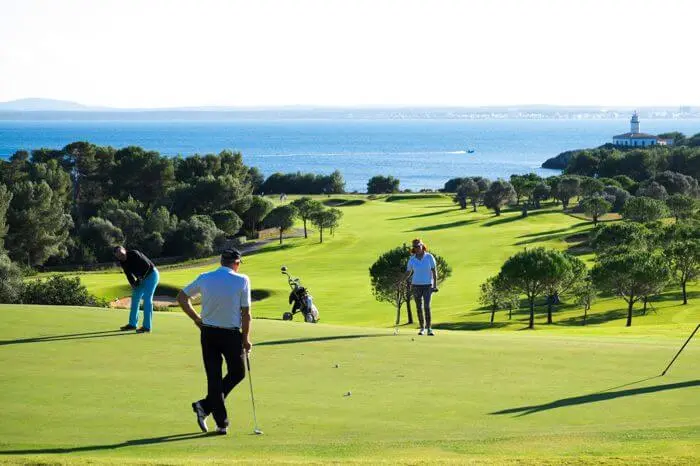
At Golf Alcanada, greens are designed to reward smart reading and confident decision-making. Assessing speed without testing is part of the game and the enjoyment: observe, walk and execute with purpose. Our PGA professionals and club training sessions help you develop this skill so every putt carries intention from the very first stroke.
Book your next experience at our website.
Hybrids offer greater ease of use, better feel and more reliable results, outperforming traditional long irons on the course
Find out why Golf Alcanada stands out as the best golf course in Mallorca thanks to its layout, facilities and high-quality experience
Practical guide on how sea salt affects golf equipment and the key measures to extend its lifespan
Golf Alcanada stands out in the north of Mallorca for its meticulous design and technical challenge, establishing itself as the ideal course for those who value strategy and analysis in the game
We review the golf fashion trends for 2026 that will shape the season: more comfort, more technical performance and a renewed aesthetic
Mallorca venue to host HotelPlanner Tour season-ending showpiece for fifth year in a row as Road to Mallorca reaches dramatic conclusion Club de Golf Alcanada will welcome the 2026 Rolex Grand Final supported by the R&A for a fifth consecutive year — and sixth overall — when the acclaimed Mallorca course once again stages the…
